There is a piece of tech for almost anything. These days, there are self-driving cars and artificial intelligence that will play any song your heart desires with just a few words spoken to it. However, one of the most amazing technological advancements is assistive technology, which is being used in health and social care to help elderly people.
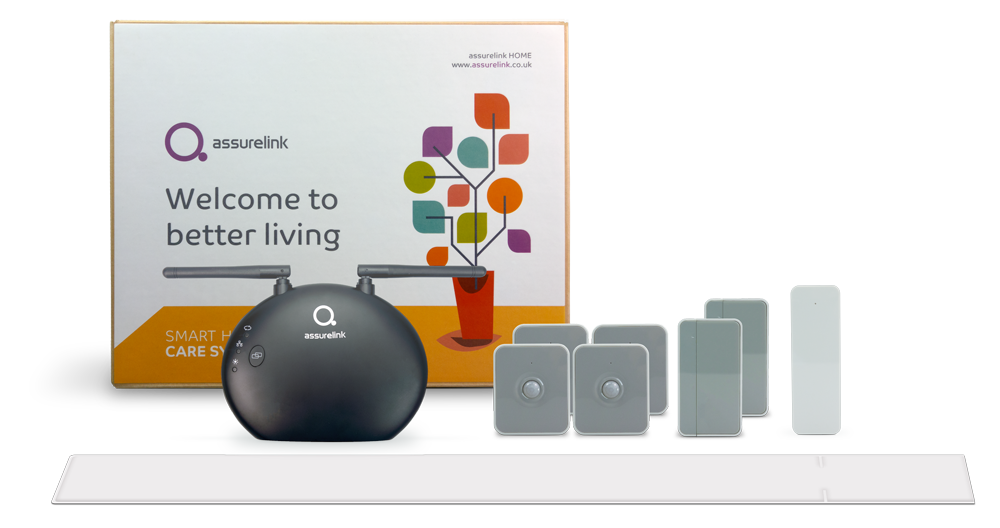
We have ranked these assistive technology products into our top three choices. The top three assistive products we feel have a great impact on elderly people living alone or needing adult social care. Our smart home care system, assurelink is worthy of a place on this list, but that would just look like us blowing our own trumpet. So here is out top three bits of tech to help the elderly.
How Can Technology Help the Elderly?
Choice 1: Buddi GPS Fall Detector
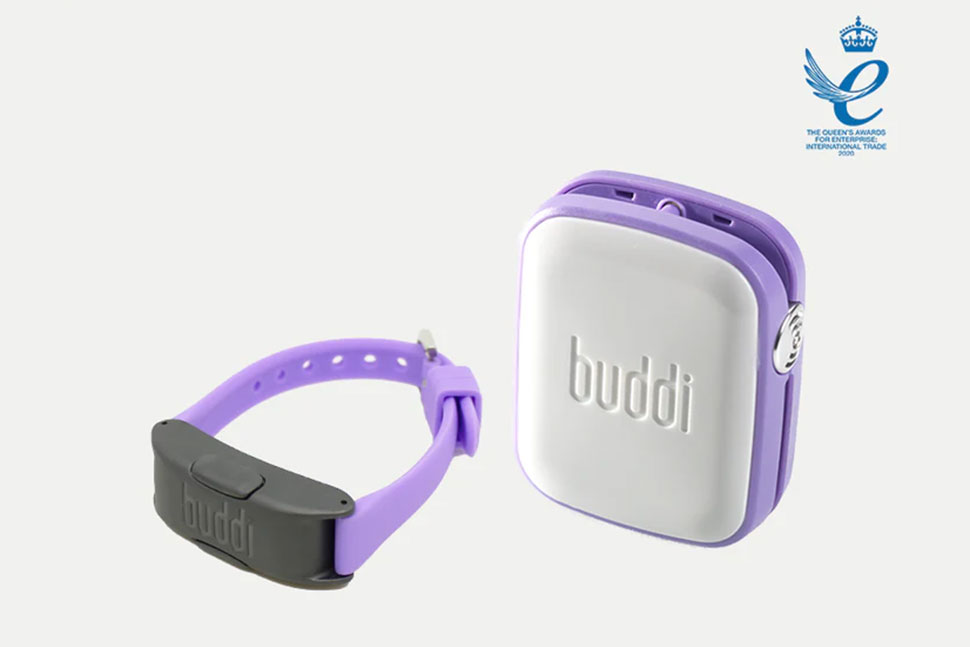
RRP £249, plus a weekly charge of £4.99
A fall is one of the biggest risks to older people’s health. This is especially true if older people are living alone, as it might be days before someone finds them.
This is why the Buddi GPS Fall detector gets our pick for one of the top three assistive technology products for assisted living. It works as a personal alarm wristband that alerts pre-set emergency contacts if the wearer falls.
The change in movement that happens during a fall triggers the personal alarm, notifying these contacts. They then know to come to the wearers’ aid. It’s a small wristband, so the wearer doesn’t feel uncomfortable wearing it. This is especially useful for active older people as the wristband also includes a GPS, so no matter where the wearer falls, their family members or the emergency services will be able to find them. There is even an app that can be linked to a mobile phone. The downside is the GPS tracker can make the wear feel like they are being spied on.
Pro’s :-Small and discrete with additional accessories available
Con’s:- A monthly charge of £4.99 or an extra £2.99 for global roaming
Technology to Help Seniors Age in Place
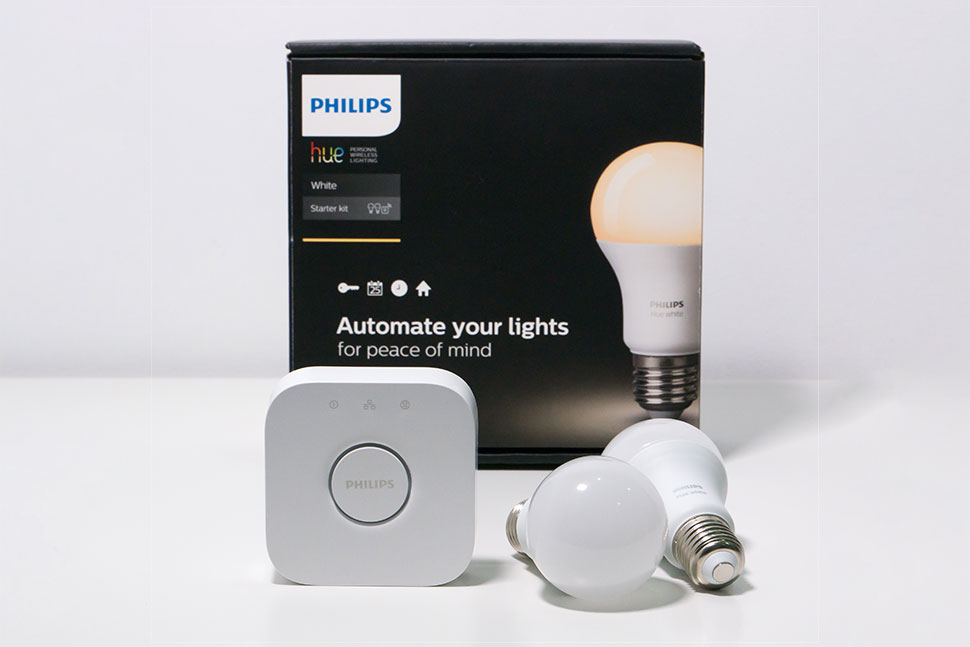
Choice 2: Philips Hue Voice-Controlled Lighting
https://www.philips-hue.com/en-gb/explore-hue/works-with/voice-control
starter kits range from £109 to £169
Our second pick for top assistive technology for elderly people is voice-controlled lighting. Voice-controlled lighting makes life easier for elderly people who are living alone or need adult social care. It means they don’t have to get up to switch lights on or off. This additional movement increases the risk of a fall, which is something we want to avoid at all costs when dealing with older people.
These voice-controlled lights can be controlled via siri or alexa or google dot smart speakers with a simple word, like “on” or “off”. They’re used in smart homes but can also be used separately to help older people living alone.
For example, let’s say it’s early in the morning one winter when everything is dark. An elderly person who lives alone without family members wakes up to make themselves a cup of tea and some nice breakfast. Without assistive products, like voice-controlled lighting, they would have to wander around in the dark, increasing their chance of tripping. With assistive technology, like smart lighting, they can tell the lights to turn on in bed. They don’t even have to be tech-savvy to do this!
Smart lights can also be linked to a mobile phone, like most technology in smart homes. This allows elderly people to use their mobile phones to turn off any light in their house. This assistive technology is a much safer alternative to walking around in the dark!
Pro’s:- available in all light fitting types, a full range of colours and works with smart speakers
Con’s:- connection bridges are needed and replacement bulbs can be expensive £50
Why Should Elderly People Use Technology?
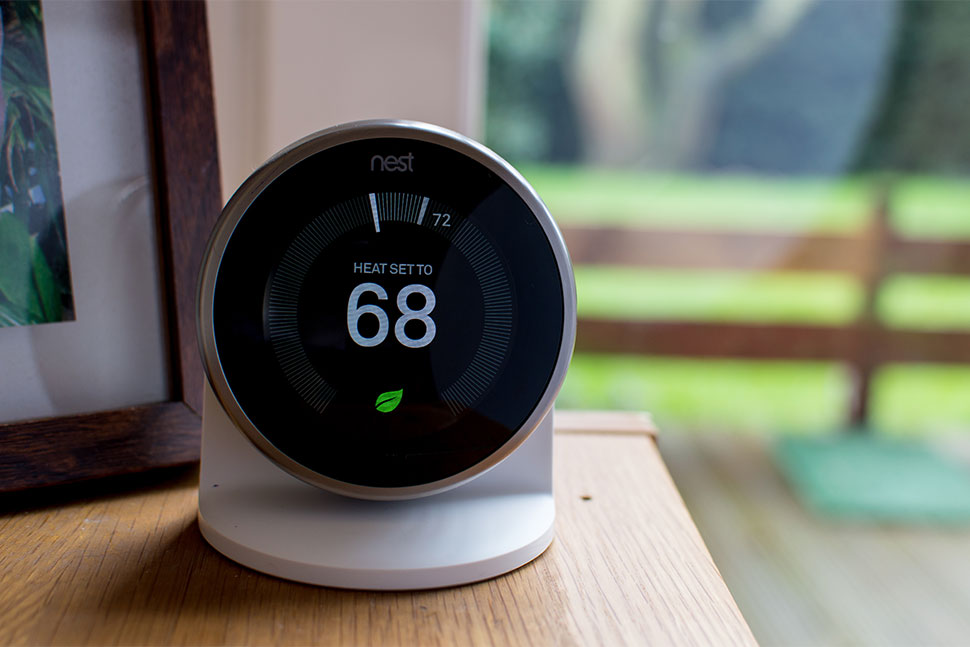
Choice 3: Google Nest The Smart Thermostat
https://store.google.com/magazine/compare_thermostats?hl=en-GB
£219
Cold weather is as much a danger to elderly people as falling. If an elderly person isn’t warm enough, then this cold can lead to hypothermia and other serious health conditions. In the worst instances, cold can be fatal to older people. Elderly people living alone don’t have anyone to check their temperature and keep them warm like they would in care homes. Older people living alone need assistive technology that is easy to use so they can warm their homes in winter.
This is why the Google Nest smart thermostat is on our top three list of best pieces of assistive technology for older people. They’re easy-to-use systems that heat homes. They can be controlled by a mobile phone, or changed with just a few taps on the smart screen. This piece of kit uses AI (artificial intelligence) to know where the homeowner is an adjust the heating accordingly. It even learns your usage and make adjustments over time to save you money on your heating bills
Smart thermostats can even be programmed to respond to certain weather conditions. So, if it gets too cold, the heating will go up. If the weather changes and it becomes warm again, then the thermostat will lower the temperature. This is perfect for elderly people living alone because it means they no longer have to worry about the temperature or struggle using a complicated system.
Pro’s:- comes in different colours, learns over time to reduce you bills
Cons:- price is high, and it feels like it tracking me with GPS
More Recommendations for Assistive Technology for Older People Coming to You Soon
Soon we will be sharing our pick for the top 5 technology to help the elderly at home. This comprehensive guide will give you top picks for some of the best assistive technology products on the market, from personal alarms that can be linked to mobile phones to remote monitoring systems.
In the meantime, we have another recommendation for you. Our remote monitoring system for protecting older people. It monitors movement in the home and picks up doors that have been left open and are letting cold air in. It even has a smart thermometer as part of the standard kit. It’s perfect for older adults living alone, so you can keep an eye on them without making them feel like they’ve lost their independence.
Discover more by clicking here.