NHS bed blocking is where a patient is unable to leave a hospital bed because care arrangements are not in place. This happens when a patient is medically fit to leave the hospital but still requires additional care, such as rehabilitation or social care before they can safely return to their home or a care facility.
Bed blocking is a huge problem for NHS England, especially with the stress and underfunding that they are going through. It causes delays in admitting new patients and can cause important health procedures to be postponed. To prevent bed blocking and ensure patients receive the best possible care, hospitals need reliable and timely home care services.
This is everything you need to know about bed blocking, and how care in the home can help to overcome it.
NHS Bed Blocking Statistics
Statistics published by NHS England show that there were 4,471 patients experiencing bed blocking in January 2022.
There were a total of 112,920 delayed days for these patients. The average length of stay was 25.3 days.
The leading cause of these delays was patients awaiting a care package in their own home or a care home placement, which accounted for 36% of all delays. Additional reasons for delays included patients waiting for further health care, community healthcare, or the completion of an assessment or review.
These statistics show how critical this situation is. Care homes and adult social care workers need support if they are to keep up with the rising demand of people needing the help of health social care services. Care in the home is helping this situation, as it takes the pressure off care homes.
New technologies are also being made available for home care which means health social care professionals can monitor patients from a distance, and don’t have to visit their homes as often.

NHS Bed Blocking Crisis
Bed blocking is a serious issue for health services. Hospital beds are in high demand, whether that demand is from critically ill patients, people recovering from surgery, or A&E visitors who have had an accident. If hospital beds are being taken up by medically fit people, then those who are unwell and need health services won’t get the help they need.
Bed blocking is so severe that it can cause people to lose their lives. Just imagine if a critically ill person is unable to access a hospital bed in time!
NHS Bed Blocking and How Care in the Home Can Help
If people are being cared for in their homes, then fewer care beds in places like nursing homes are being used. When nursing homes have more availability, it reduces the effects of bed blocking, because medically able people now have somewhere to go and be cared for.
Care in the home doesn’t mean that a patient is left to their own devices. They can still be visited by carers who will ensure the patient is properly bathed, fed and is taking their medication. Family members and loved ones can also visit and help to care for the individual.

How Technology is Improving Care in The Home
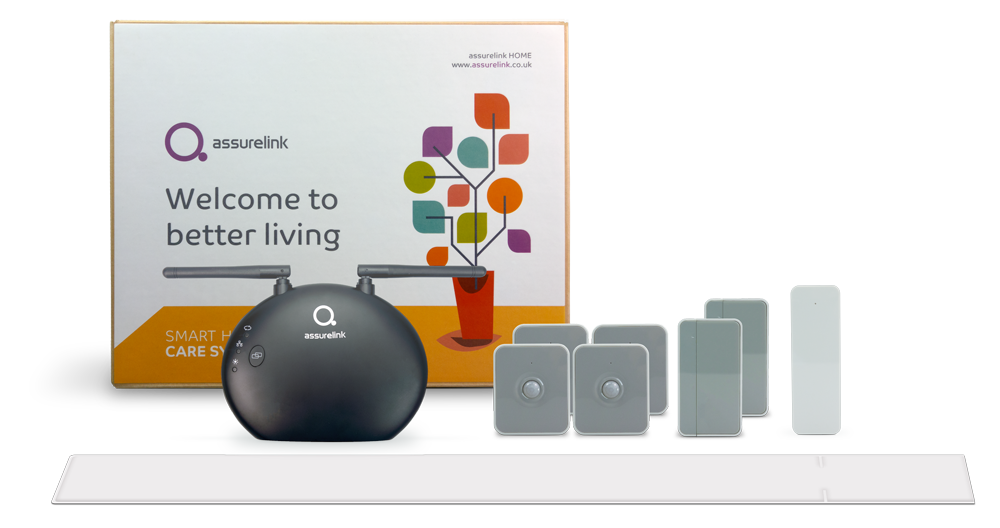
New technology, like Assurelink home monitoring system, are enabling carers and family members to keep an eye on elderly or vulnerable people from a distance. This non-intrusive system can track movement in a home and detect when a door opens or closes.
Our home monitoring system even tells you the temperature of a room. This is especially useful for vulnerable people or individuals suffering from neurological diseases. Our system means you can make sure the ones you care for are warm, and pick up on any doors that have been left open and are letting cold air in.

Discover more about Assurelink and our revolutionary new system and how it is saving lives by clicking here.