As our family members get older, they need us to care for them. This can be small chores, like collecting the shopping, or daily tasks, like ensuring they are taking their medication. We’re all happy to help the ones we love, but we have to be careful to do so without making older adults feel like they have lost their independence.
There is ageing technology available that allows you to care for your loved ones remotely. This benefits you, as you get peace of mind knowing your family members are safe, and it benefits older people because they’re still being cared for, but without impacting their independent living.
Here is everything you need to know about assistive technology for health care and how it can be used to keep older adults stay at home for longer.
What Is Smart Aging?
Smart ageing is a type of technology that allows older people to live independently through the use of smart technology, including artificial Intelligence. This can be by improving social connections or using assistive technology, like motion sensors, to make sure older people are going about their daily business.
As our family members get older, they start to have fewer interactions with people. For example, if their movement is restricted, then they won’t be doing their own shopping or going out to see friends. Interaction with other people, no matter how small, is important to everyone’s mental health, especially as we get older.
Smart ageing for social connection includes home devices like the Amazon Echo. It’s a small smart speaker, but even asking the Amazon Echo a simple question and hearing a response is enough to help elderly people feel less alone.
Studies have shown that older people are becoming more comfortable with technology, smartphones in particular. So, features like Facetime and video calls are fantastic ways of communicating with elderly people. Seeing people through a screen is a much nicer feeling than just hearing a voice on the phone!
Assistive technology is also improving patient safety and making health care safer. Previously, you had to check on elderly people daily to ensure they were safe and hadn’t fallen. This could make older people feel like they’d lost their independent living. Now, wireless sensors and monitoring systems allow you, or nursing professionals, to monitor older people from a distance, ensuring everything is normal. A personal alarm can be used to alert them when their medication needs to be taken.
Smart Technology for Aging Disability and Independence
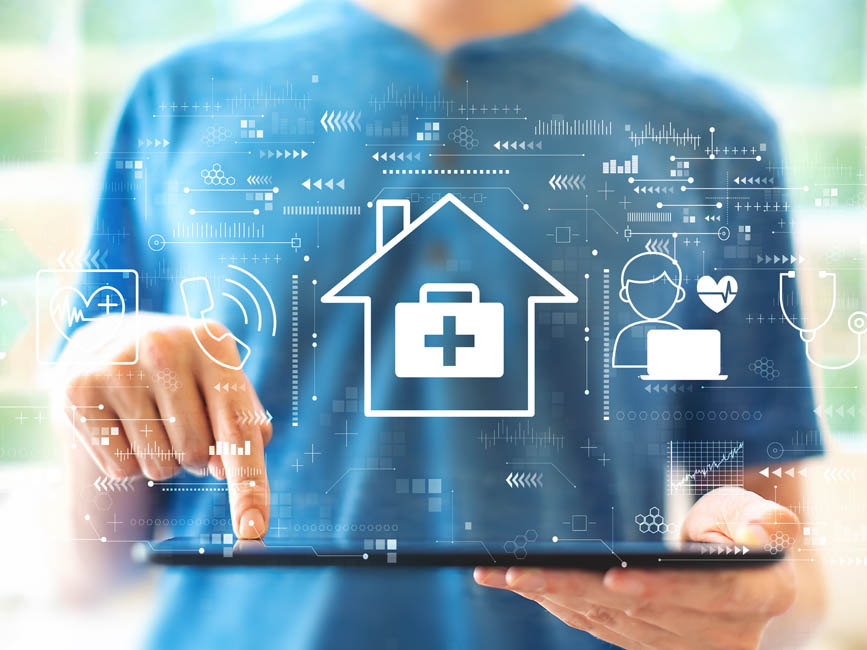
Telehealth theme with young man using a tablet computer
Disability can come in many forms. For some people, it’s mobility restrictions, meaning they are not able to leave the house and socialise. For others, it can be issues with memory, like dementia, and can affect how they care for themselves.
Elderly people and those with a disability can access health care, but many of them worry about how this will impact their independence. Although smart technology isn’t a replacement for nursing professionals, it is designed to help them in their role, improving patient safety, but without making older adults feel like they can no longer live independently.
Smart technology can do anything from analysing the temperature of a home to helping elderly people stay on top of their medication. For example, a personal alarm can be combined with a pill dispenser. This personal alarm will ring until the person takes their medication. An alert can then be sent to you or nursing professionals to notify you the medication has been taken.
For vulnerable people suffering from Alzheimer’s or dementia, a GPS tracking device can be used to keep them safe. This GPS tracking system can be a watch or necklace, so your loved ones can be tracked without making them feel uncomfortable. Alarm GPS tracking will alert you if they leave the house or go to a “danger zone”, which you can register on the device. For example, you could register the basement as a danger zone because it is cold and is only accessible via steep stairs.
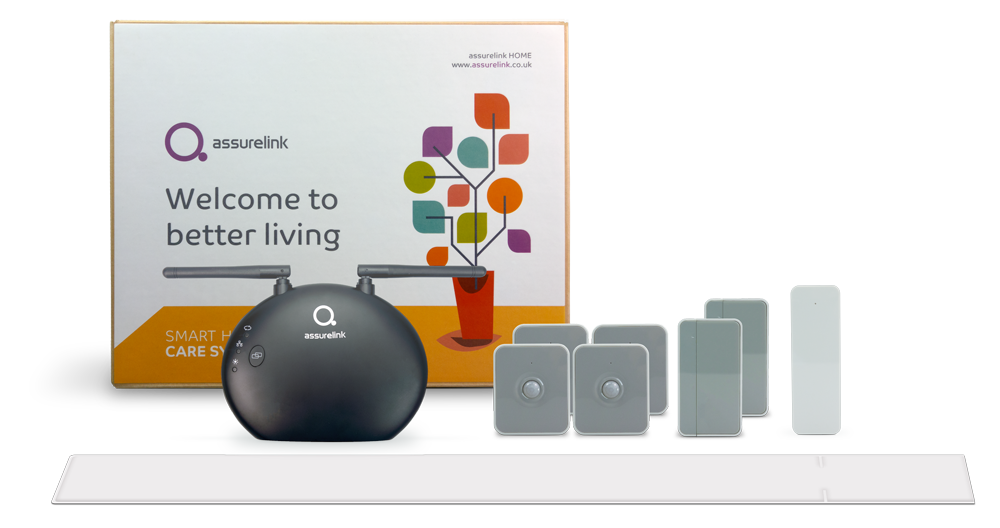
Motion sensors can detect if a door has been left open or tell you which room your loved one is in. If motion sensors alert you to a lack of movement, then you can call your elderly loved one to ensure they are safe or ask nursing professionals to check up on them. A monitoring service, like the wireless sensors mentioned, is small and almost unnoticeable. This means they’re not intrusive, so older people won’t feel embarrassed or awkward about having this assistive technology installed in their homes.
Smart Homes for Older Adults

A smart home is a home that can, to a degree, be controlled in part by artificial intelligence. Where older adults are concerned, this means implementing technology, like monitoring systems, to keep them safe and installing technology that makes life easier for nursing professionals and improves patient safety.
This technology can be linked to a smart hub. A smart hub acts as a central controller for technology in the house. It allows the AI to interface with other smart devices. For example, personal alarms or door locks can be linked to a smart hub and controlled by a mobile phone. Older adults can unlock doors to let people in without needing to walk around or risk injuring themselves. They can do the same with personal alarms, linking them to the smart hub so they can activate it from their phone or another smart device, like an electronic watch, if they need assistance.
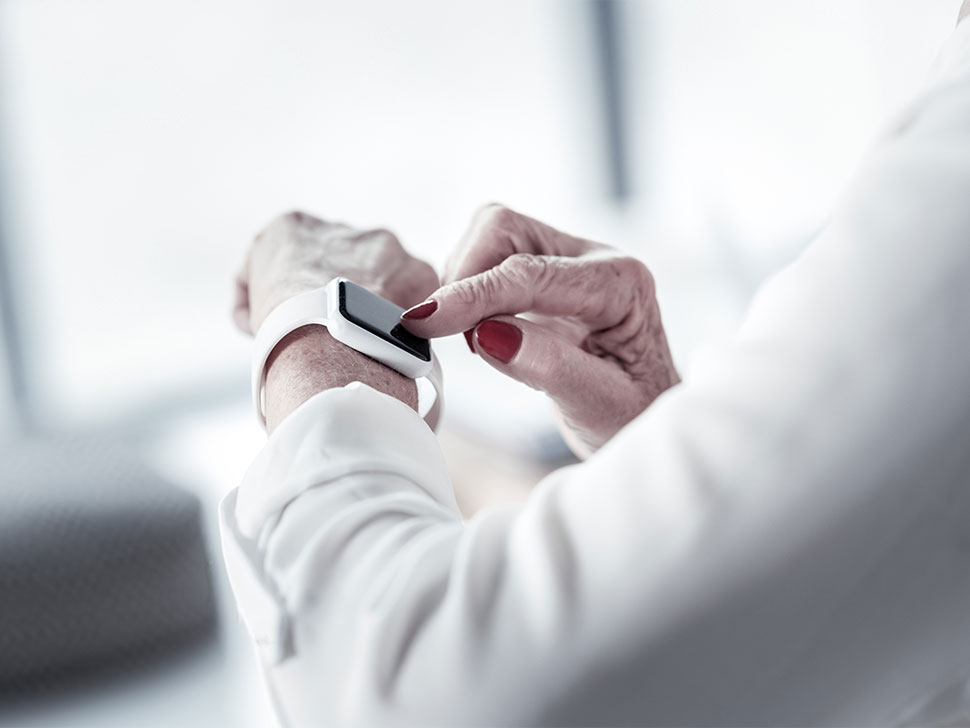
Smart homes allow elderly people to stay at home longer rather than having to go to a care home. It gives them independence, staying in touch with their loved ones using smartphones and other devices, and keeps them safe with automated alarms that notify you if they have fallen. This can be a smartwatch that detects falls or pendant alarms that the person can activate if they injure themselves.
Smart Goals for Older Adults
Smart goals are goals set for older adults to keep them healthy both mentally and physically. For example, a smart goal can be the goal of walking for 20 minutes each day or speaking with one friend/ family member every week.
Smart goals keep elderly people motivated and allow them to feel happy at home. When combined with smart technology, like a monitoring service, it allows you to make sure your loved ones are achieving these goals. Personal alarms, like pendant alarms, mean your loved ones can leave their home without feeling scared. If they face an adverse event, like a fall, then they can activate their personal alarms to notify you or the emergency services.
Home Monitoring to Protect Your Loved Ones
Our home monitoring system is making health care safer without impacting an older person’s independence. Our smart system, Assurelink can be fitted around an elderly person’s home to track movement and temperature. Cold is one of the biggest risks to an older person’s health. Our system allows you to check the temperature of a home and alerts you if any external doors have been left open and are letting cold air in.
Give yourself peace of mind and give your loved one’s independence with our systems. Discover more about how we keep older people safe by clicking here.