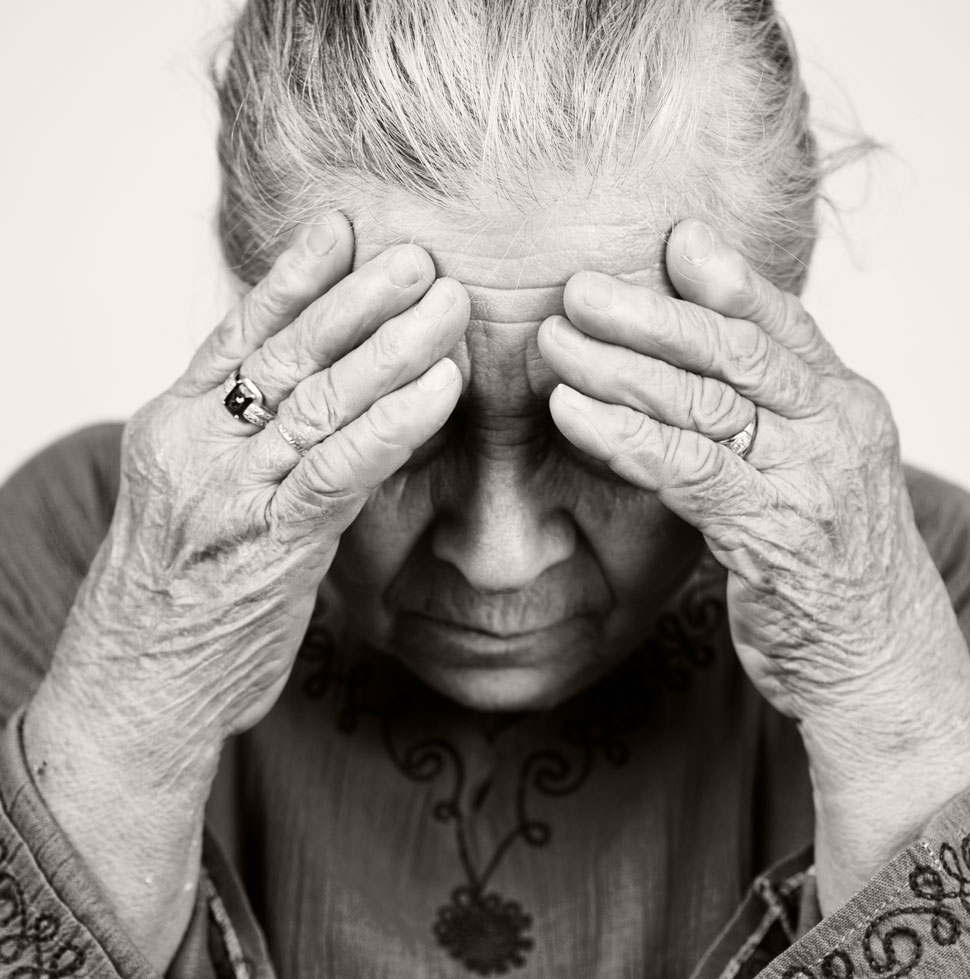
Independence is important for mental health, and as we age it becomes increasingly important that we can function independently. However, many vulnerable people find it difficult to feel independent, because they need more care as their condition worsens. This is especially true for people with neurological diseases like dementia, who require a great deal of support.
This means that carers and family members must walk a fine line when dealing with vulnerable people. On one hand, we must look after them and care for their health. On the other, we have to take their mental health into account and ensure that the person feels like they still have some form of control over their life.
This is our article on how to walk that fine line by helping vulnerable people to stay independent.
How Do Vulnerable People Stay Independent?
There are plenty of additional support services available to help vulnerable people. These can be resources to help young people in social care, adults suffering from alcohol substance misuse, or elderly people with dementia or other cognitive diseases.
One of the main support services available is community resources. For example, there are transportation services which take vulnerable people on days out to visit friends and family members or partake in activities. This service safeguards vulnerable people, as the workers transporting them are often trained professionals, but it also gives them a level of independence. Being able to go to new places, see friends and visit family members stops feelings of claustrophobia, especially for older people who are in care homes.
Another way to restore independence is to change someone’s living arrangement. For example, you can install grab rails around a vulnerable person’s house to help them move around and reduce the risk of falling. You can remove trip hazards and put a bed downstairs so that they have a reduced risk of tripping. These things help vulnerable people to stay safe, but without having too much of an impact on their lives.
If you are interested in what support services are available, like health social care, then you should contact your local independent safeguarding authority for further information.
What Technology is Available to Keep Vulnerable People Independent?
Vulnerability covers a broad demographic. For example, young people can be vulnerable, but so can elderly people, or middle-aged people with mental health issues. The technology you use to help a vulnerable person stay independent will depend on their circumstances.
In this instance, we’ll look at technology for elderly people or older adults with cognitive diseases, like dementia. One of the biggest hazards to older people is the risk of them falling. New technologies are being made available that detect if an older person falls. This technology then alerts a family member or adult social care worker.
For example, there are smart watches which detect falls and send automatic alerts to a loved one. There are buttons which can be worn around an older person’s neck and pressed to call for assistance. The point of these technologies is that they’re discreet, so the person wearing them doesn’t feel like they’ve lost their independence. There are also passive sensor systems that allow you to see if normal movement has occurred in the vulnerable person home, this is favoured by many as it is no intrusive and does not need to be worn, something people with dementia can forget to do.
How Can You Help a Person with Mental Health Problems?
The main thing you can do is be there for them and show support. Listen and show that you care. It can take time, but getting someone who is suffering from mental health issues to access support networks can be extremely beneficial. This way, they can speak with people who understand what they are going through. It will also stop them from feeling so alone.
At the same time, it is important to give them some distance so that they don’t feel incapable of living a normal life. If you are concerned about someone who is suffering from mental health issues, then seek advice from your local independent safeguarding authority.
How Can a Home Monitoring System Give You Peace of Mind?
“Monitoring” can sound like a sticky word. Although we can monitor someone to protect them, we don’t want to feel like we’re intruding on their privacy. This works the other way too. The people that we are caring for want to feel like they still have their independence.
It is for this reason that some systems, like CCTV, don’t work when caring for vulnerable people. They can feel intrusive and affect a vulnerable person’s mental health. However, there are positive alternatives, like home monitoring systems, which allow you to keep an eye on the ones you love without removing their independence.
Home monitoring systems give you peace of mind because they allow you to keep your loved ones safe from a distance. If you have to go to work or look after your kids, then a remote monitoring system allows you to do this while still keeping an eye on any vulnerable people you are caring for. Many of them are non-intrusive, so the people being cared for can easily forget they have even been installed.
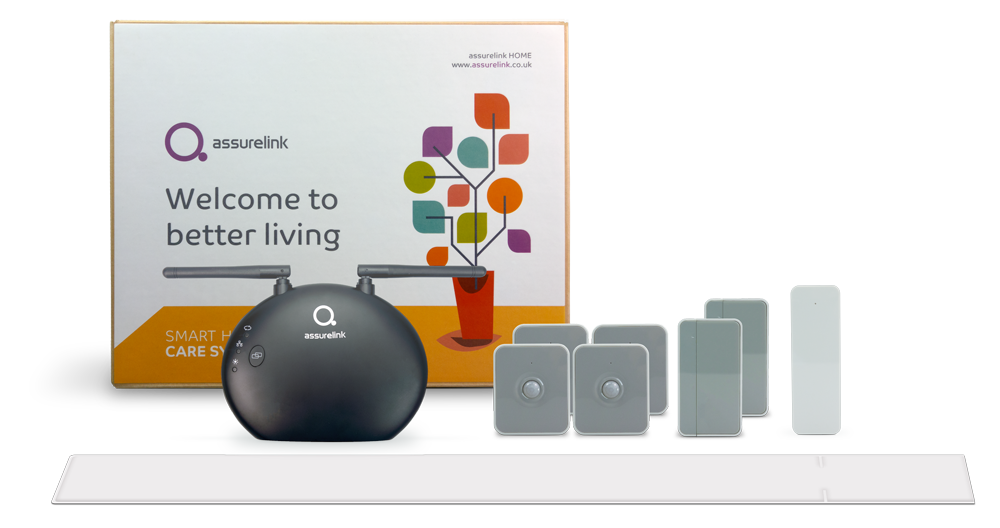
For example, Assurelink home monitoring system is a compact unit that takes up very little space. It detects when doors have been left open, and it monitors movement around the home and even the temperature.
Our monitoring system is useful for those caring for elderly people or vulnerable people. They ensure that the ones you love are staying warm and normal movement around the house is occurring, so you know they are safe and well.
You can discover more about our revolutionary new system by clicking here.