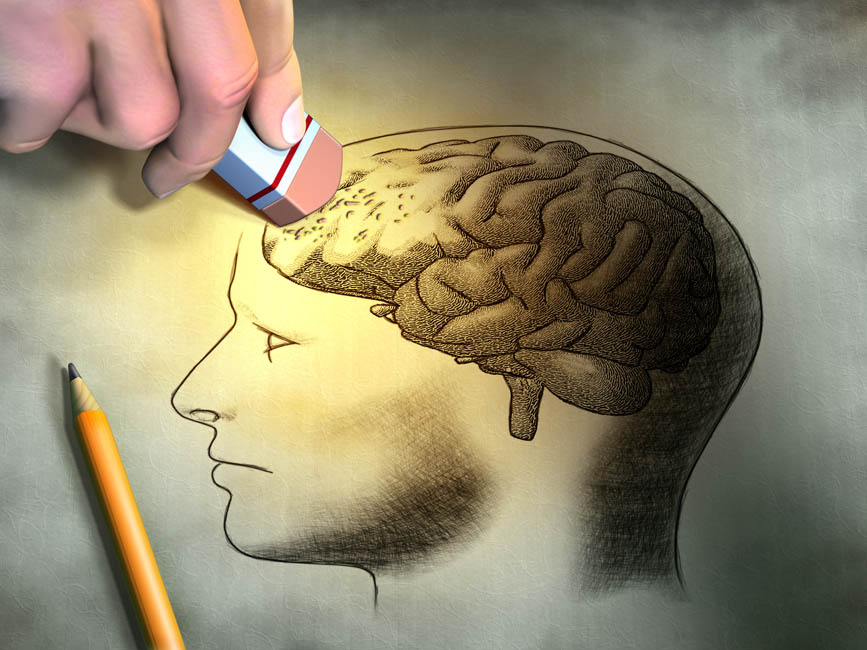
Dementia is an awful condition. It can confuse the affected person, making them forget familiar faces and daily routines. This confusion can make providing quality care support for older people difficult, meaning they often go to nursing homes so they can be looked after on a daily basis.
Thankfully, technology is evolving. Technology that allows people suffering from dementia to stay at home longer. Home means familiarity, which lowers confusion and creates a better life for the affected person. Their mental health improves, and they still feel like they have their independence, even with the help of care providers.
Equipment for Dementia Care
Dementia patients usually require unpaid support from unpaid carers who are appointed through adult social care services. The role of these unpaid carers is to look after an older person’s mental health, socialising with them and making them feel valued. They also help with daily tasks, like providing food and helping their client to take their medication.
New equipment has been created to help adult social care support workers in their roles. For example, there are personal alarms which are linked to pill dispensers. These personal alarms ring when medication is due, and do not stop ringing until the medication has been taken. These personal alarms will also alert you and/or adult social care support once the medication has been consumed.
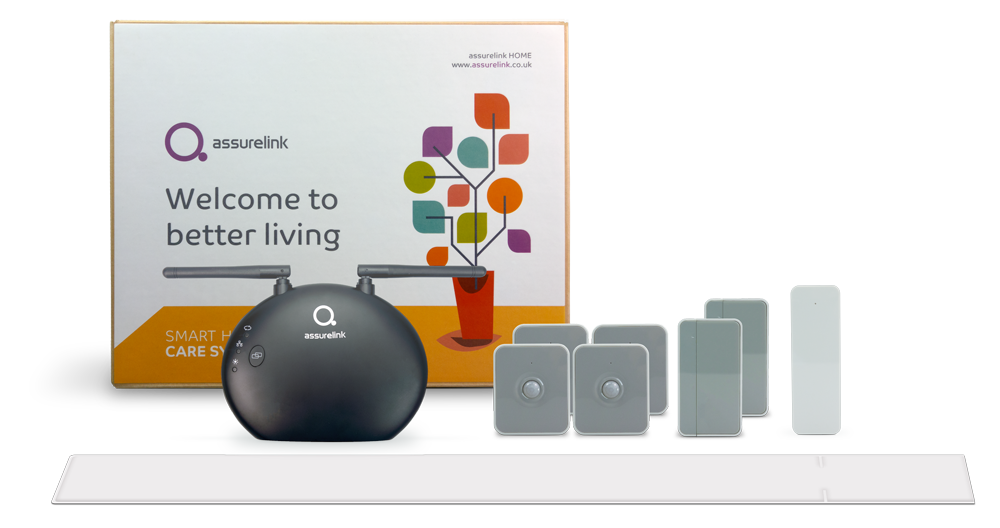
Adult social care services can now provide care from a distance, monitoring their patients even when they’re not at their homes. These remote monitoring systems can detect movement in a home and analyse the property’s temperature. If the home is too cold, then a family member or adult social care support worker will be informed. These monitors are perfect for dementia elderly care because sufferers of dementia can sometimes forget to close a door or window.
Care services in the adult social care sector can now access pendulum alarms that can be activated by the patient when they fall. This will inform an adult social care worker that the person has fallen. The alarm can even be linked to a loved one’s phone and/or emergency services.
Smart devices, like smartwatches, can also be used in stay at home senior care. These watches detect falls. There is then the option for older people to request help or log the fall as a false alarm. If there is no response after a certain amount of time, the emergency services will be called.
New equipment for stay at home senior care is keeping the elderly population in their homes longer. It’s keeping them safe and comfortable whilst giving peace of mind to unpaid care workers and family members. Dementia elderly care is changing, and it’s changing for the better.
How Can Technology Help Dementia Patients?
Technology can help with dementia elderly care in two ways. Firstly, it monitors dementia patients and keeps them safe. Secondly, it improves their mental health by giving them independence.
There are various options for elderly care at home, but many of these can negatively impact a patient’s mental health. If care providers from the adult social care sector are constantly coming in and out of the home, this can confuse the patient. Dementia affects memory, and therefore new faces appearing every day can seem overwhelming.
Some options for elderly care at home can make patients feel like they have lost their independence. In the earlier stages of dementia, the patient are more aware of what is going on. They won’t want to feel like they’re incapable of living a normal life.
Technology removes these problems as it allows unpaid carers to provide care from a distance. They don’t need to go to the home as frequently, and they can still check that the patient is safe. Monitoring systems allow care providers to track their patient’s movement in the home. They can set danger zones that send an alert if the patient enters them and receive notifications if the patient leaves the house.
These are better options for the elderly population, especially those suffering from dementia. The monitoring systems that care providers can use are small and unintrusive. Patients are still being cared for, but without feeling like they are always being watched or can’t live independently.
Another fear that adult social care services have is that their patients will fall. Care providers no longer need to worry, because a personal alarm offers the perfect solution. This personal alarm will alert someone from the adult social care sector, like a carer or nurse, if their patient has fallen. Older people can activate this alarm at any time if they have any difficulties.
These systems make dementia elderly care easier as patients can access health care at any time. They can stay in their homes longer without needing the assistance of a care home as unpaid carers can still monitor them and provide care from a distance. This improves mental health and creates a better way of living.
How to Help Dementia Patients at Home
Dementia elderly care can include many things, from providing social interaction to helping with medication. With the rise of new technologies in the adult social care sector, care support has never been easier.
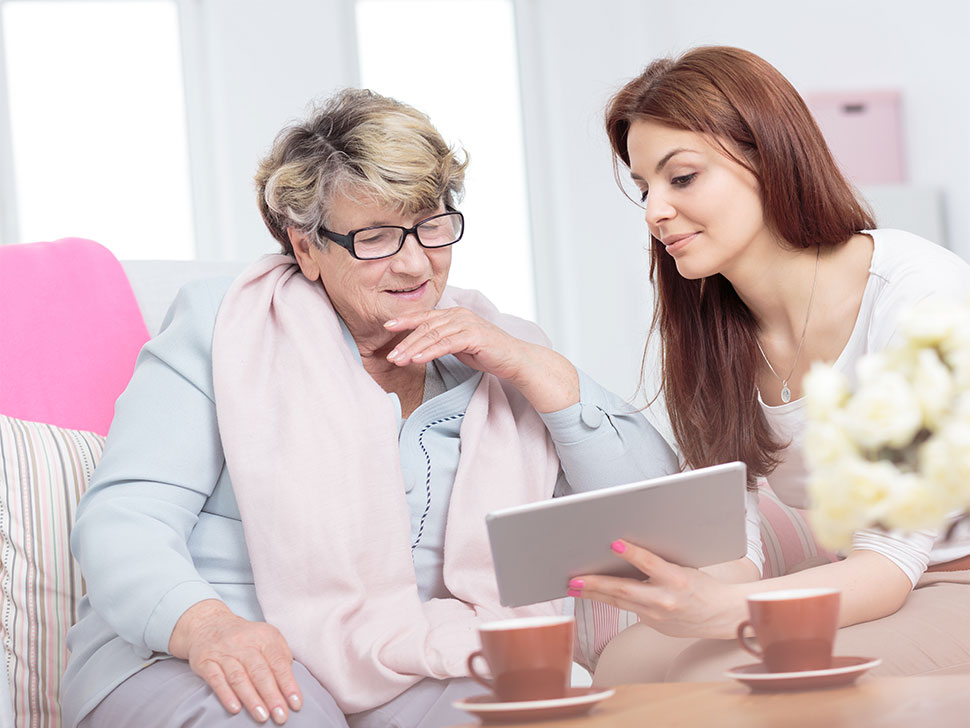
The simplest form of support is affection. This is vital to an older person’s mental health. You might not be able to visit them every day, but simple things, like video calls, are a good alternative. The older person doesn’t need to be tech-savvy for this. Just show them how to answer a call and make one.
Monitoring systems are also an excellent way of providing adult social care support. They allow you to track movement in the patients home and analyse the property’s temperature. The cold poses a huge risk to an elderly person’s health, so these systems will tell you if they’re warm enough.
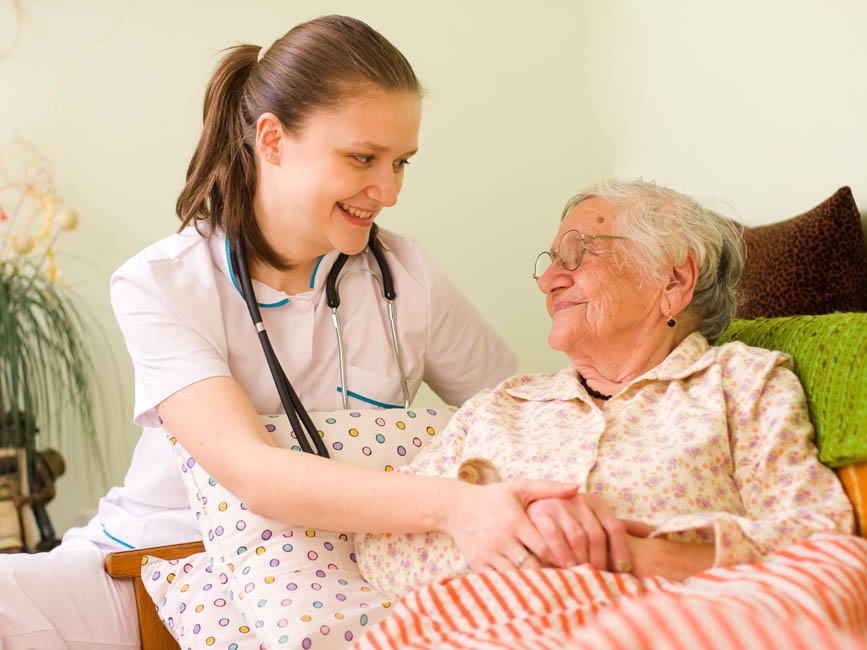
Another way to provide care from a distance is to use alarm systems. You can get smart alarms that trigger when a person falls, or you can get manual ones that the dementia patient triggers themselves if they have any difficulties. This helps them physically and improves their mental health, as it removes the fear of falling and gives them peace of mind that help is available when they need it.
You can speak to adult social care workers and apply for unpaid care. This way, there is still someone who can provide care when you’re not around. However, with the vast array of technology available, you might find that this is not necessary.
Home Health Care for the Elderly
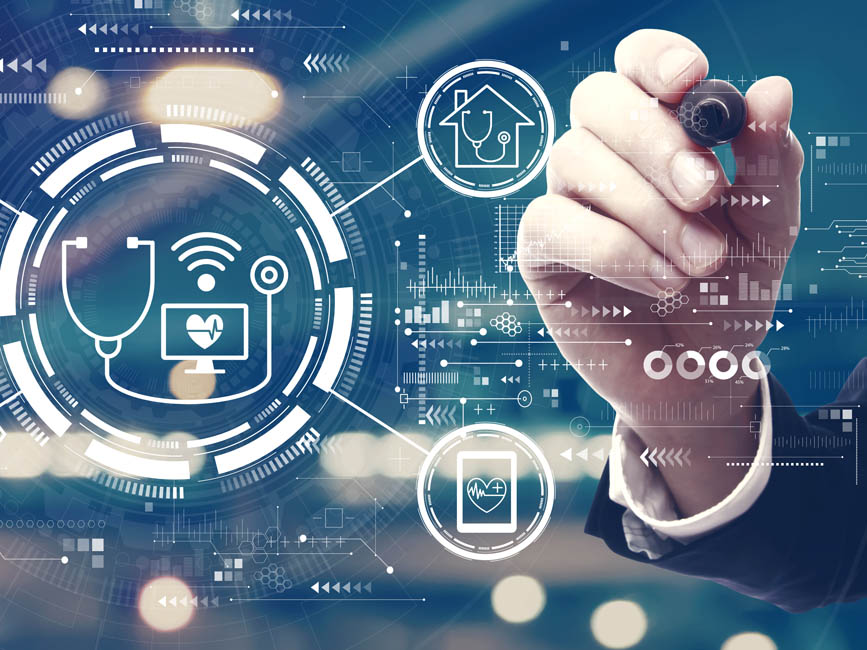
At Assurelink our monitors allow you to provide care remotely. They keep an eye on the temperature of a home to ensure the patient living there is warm enough. They track movement in each room, so you know that the patient is okay and moving around. In addition to this, they pick up if a door is open that the patient might have forgotten to close.
They’re perfect for family members who want to keep an eye on loved ones and adult social care workers who want to monitor their clients from a distance. Discover more about our revolutionary monitors by clicking here.